The Murder of Eliza Hemmings (Oxford, 1894)
Location: Oxford, Oxfordshire, England
Year: 1894
Early one Sunday morning in 1894, residents of Gas Street in Oxford awoke to the sound of shrill screams eminating from a particular dwelling.
A woman called Mrs Eliza Hemmings had been renting a room in a lodging house; upon hearing the screams, the landlord rushed to see what was going on, only to see a man whom he recognised as being her husband, Mr Hemmings, fleeing the building. Upon entering their room, he was understandably shocked to discover Mrs Hemmings lying on the floor, bleeding profusely. The poor woman had several serious head wounds, to which she finally succumbed later that day (although some sources claim that she survived for four days before passing away).
It quickly transpired that the victim's husband was James Hemming, a bricklayer. He was soon captured, and taken into custody to await trial.
At the trial, it was revealed that he and his wife had been living apart for some time. Early on that fateful Sunday morning, he had snuck into the lodging house, and brutally slain his estranged spouse.
It became apparent that James had been trying to reconcile with Eliza for some time, and that she had been known to deliberately antagonize him in the past; due to this, the crime was deemed to have been manslaughter rather than wilful murder. James Hemmings was thereby sentenced to five years' penal servitude, although this was soon commuted to simple incarceration.
Presumably, his prison sentence was a short one, as upon James' release from prison, he moved to London, and subsequently remarried; he and his new wife went on to have at least three more children.
Sadly, a baby daughter called Mabel Hemmings, whom Eliza had custody of prior to the murder, was abandoned at St Ebbe's Workhouse in Oxford; James didn't believe that he was the father, as there were rumours regarding his dead wife being a prostitute!
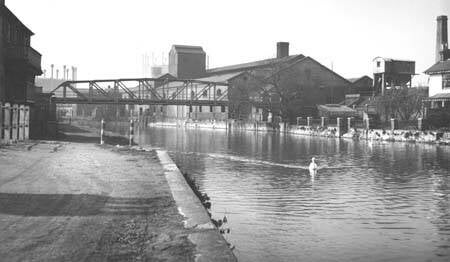
(Image below shows St Ebbe's Gasworks, situated close to the scene of the crime, courtesy of Local History in South Oxford).
Create Your Own Website With Webador